



Low-Friction Living
Systems, stories, and honest reflections for neurodivergent women & households. Written from the inside out.



Building Systems for Low Capacity Days (Because Willpower Was Never the Answer)
You open your laptop with the best of intentions. Something is off. Your brain won't start. If you're a neurodivergent woman in business, that is not a character flaw. That is a system problem. Here is how to build one that actually holds on the hard days.

The Cost of Masking: ADHD & Autism in the Workplace
Masking doesn't show up on a performance review. There's no line item for the energy spent managing how you appear instead of what you're actually saying. For late-diagnosed autistic and ADHD women in business, that hidden cost only grows with seniority. Here's what it actually takes, why diagnosis can make the mask harder to hold rather than easier to drop, and how to start building systems that carry some of that weight for you.

When the Old Rules Stop Working
In my 40s, everything I thought I knew about fitness and work stopped working. The harder I pushed, the worse I felt. Here's what I learned when I finally stopped fighting and started adapting.
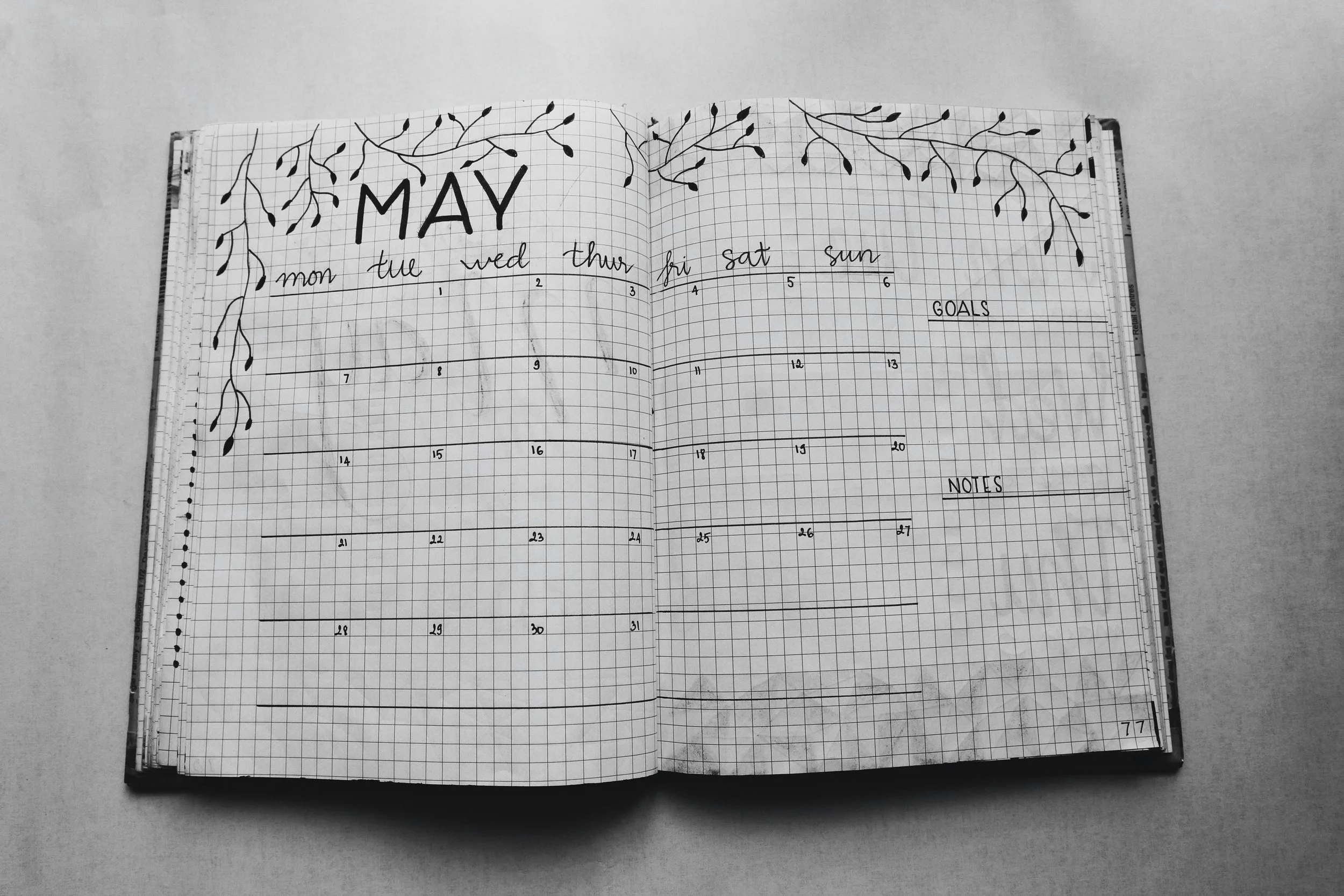
Why I Need Both Systems and Creativity to Thrive
People often assume that systems and creativity exist on opposite ends of the spectrum. One is structured and logical; the other is free-flowing and artistic. But I've discovered that the opposite is true. The right systems don't limit creativity—they protect it. In this post, I explore how structure creates the space for writing, photography, and creative expression, and why I've learned to embrace both.
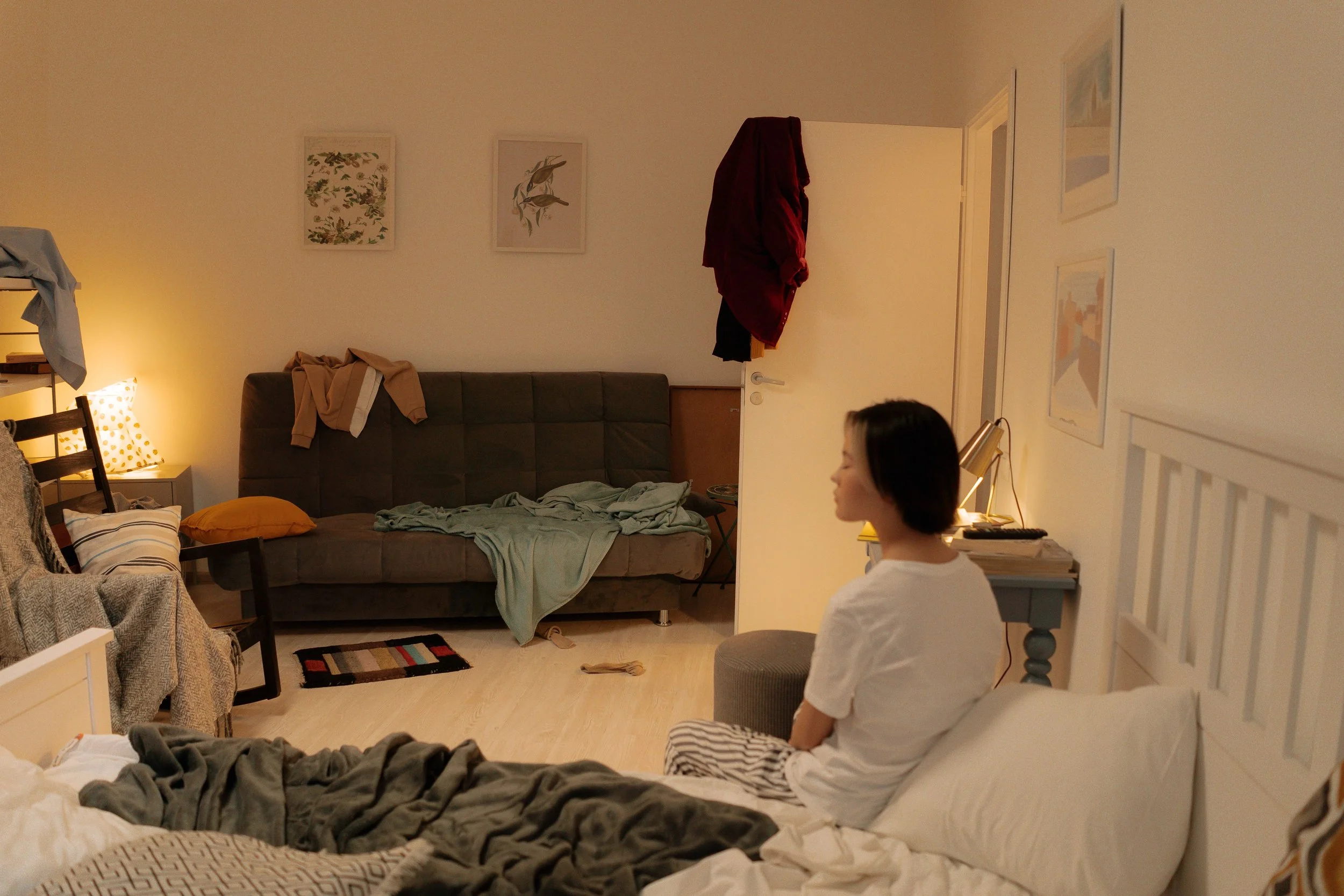
The Hidden Cost of Visual Clutter on ADHD and Autistic Brains
If your home feels overwhelming, the problem may not be a lack of organization. For ADHD and autistic individuals, visual clutter creates cognitive load, sensory stress, and decision fatigue. Here's why it happens and what you can do about it.

The Real Reason Your Business Feels Chaotic (And It's Not Because You Have ADHD)
If you're an entrepreneur with ADHD, it's easy to assume that disorganization and overwhelm are simply part of the package. But what if the real problem isn't your brain at all? In this article, we explore why many small businesses feel chaotic, how operational friction creates hidden stress, and what practical systems can help you run your business with greater clarity and confidence.

The Most Important Part of Today's Workout Wasn't the Workout
I only made it through 70% of my workout before my head started spinning. Years ago, I would have either pushed through or quit altogether. This time, I chose something different: good enough. And that small shift might be the most important strength I've built all year.
What Hyperfocus Taught Me About Sustainable Living
I used to think productivity meant pushing harder. Completing a six-month course in 12 days or writing a novel in three weeks felt like success—until the inevitable crash arrived. As an autistic entrepreneur, I've learned that sustainable living isn't about forcing consistency. It's about understanding your energy cycles, working with your brain instead of against it, and building supportive systems that keep life moving even when your capacity is low. Here's what hyperfocus taught me about creating a life that feels both productive and sustainable.

You’re Not Lazy. You’re Burned Out.
If you’ve been feeling foggy, unmotivated, or like you just can’t keep up in your business, you’re not lazy—you might be burned out. This post explores what burnout can really look like (especially for neurodivergent entrepreneurs) and offers a gentler, more sustainable way to approach your work.

How to Create an Entryway That Actually Works for ADHD Kids
Mornings don’t have to start in chaos.
If your child is constantly losing shoes, forgetting their backpack, or struggling to get out the door, the problem isn’t a lack of effort—it’s a system that isn’t designed for how ADHD brains work.
In this post, you’ll learn how to create an entryway that reduces overwhelm, supports independence, and makes daily transitions smoother with simple, practical changes that actually stick.

Why Traditional Organizing Advice Fails ADHD & Autism Families
Many organizing systems fail ADHD and autism families because they rely on consistent executive function, hidden storage, and rigid routines. Here’s why traditional advice doesn’t work — and what does.

How to Set Up Home Systems When You’re a Parent with ADHD
Trying to stay organized as a parent with ADHD can feel exhausting. This guide shares simple, low-friction home systems that reduce overwhelm, support executive functioning, and make daily routines easier to manage.
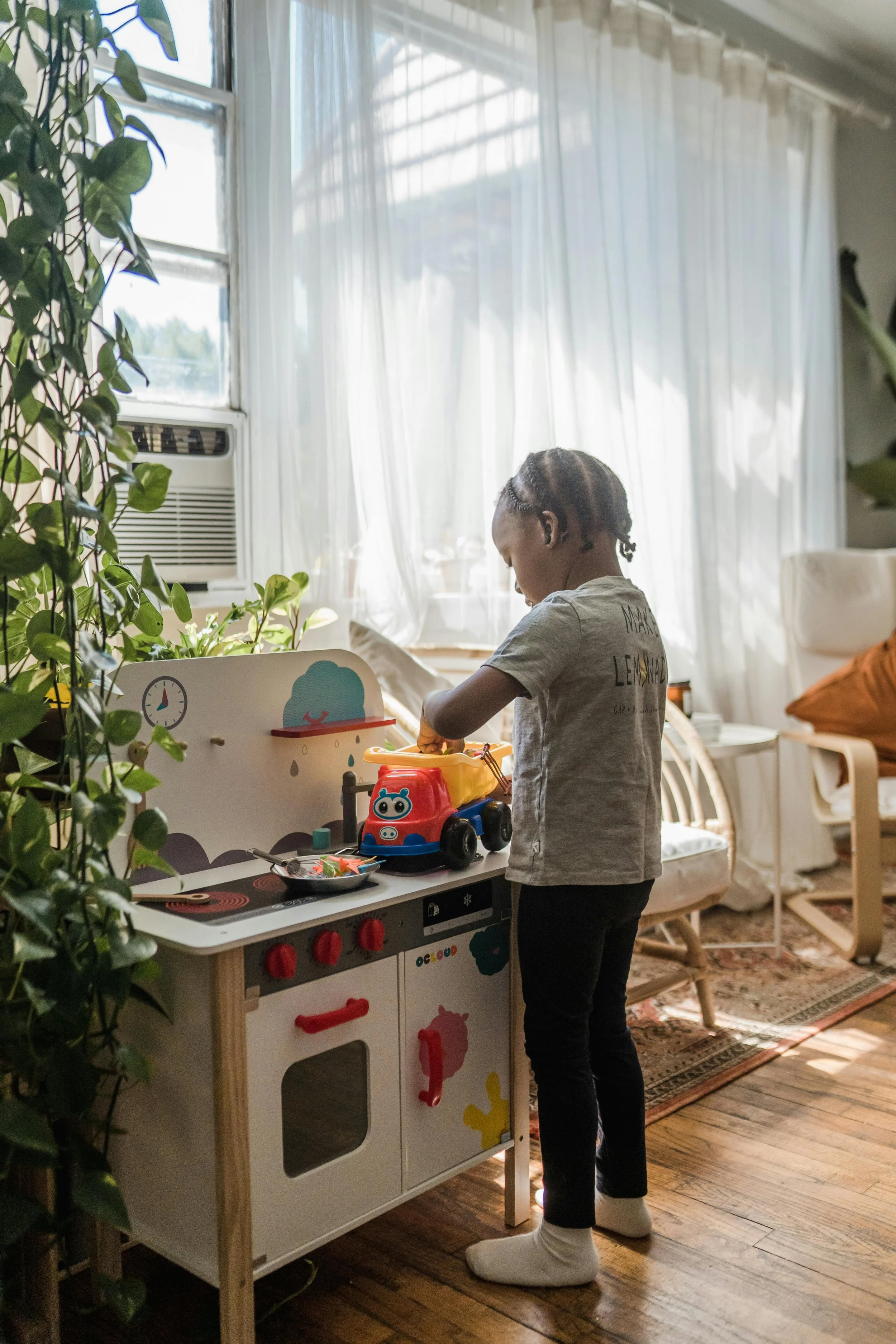
How To Create A Home Environment That Supports Your Child With ADHD
Creating a home that supports a child with ADHD isn’t about perfection — it’s about strategy. Learn how to reduce visual overwhelm, lower decision fatigue, and design brain-aligned systems that actually work.
Effective Organizing Strategies for Neurodivergent Families
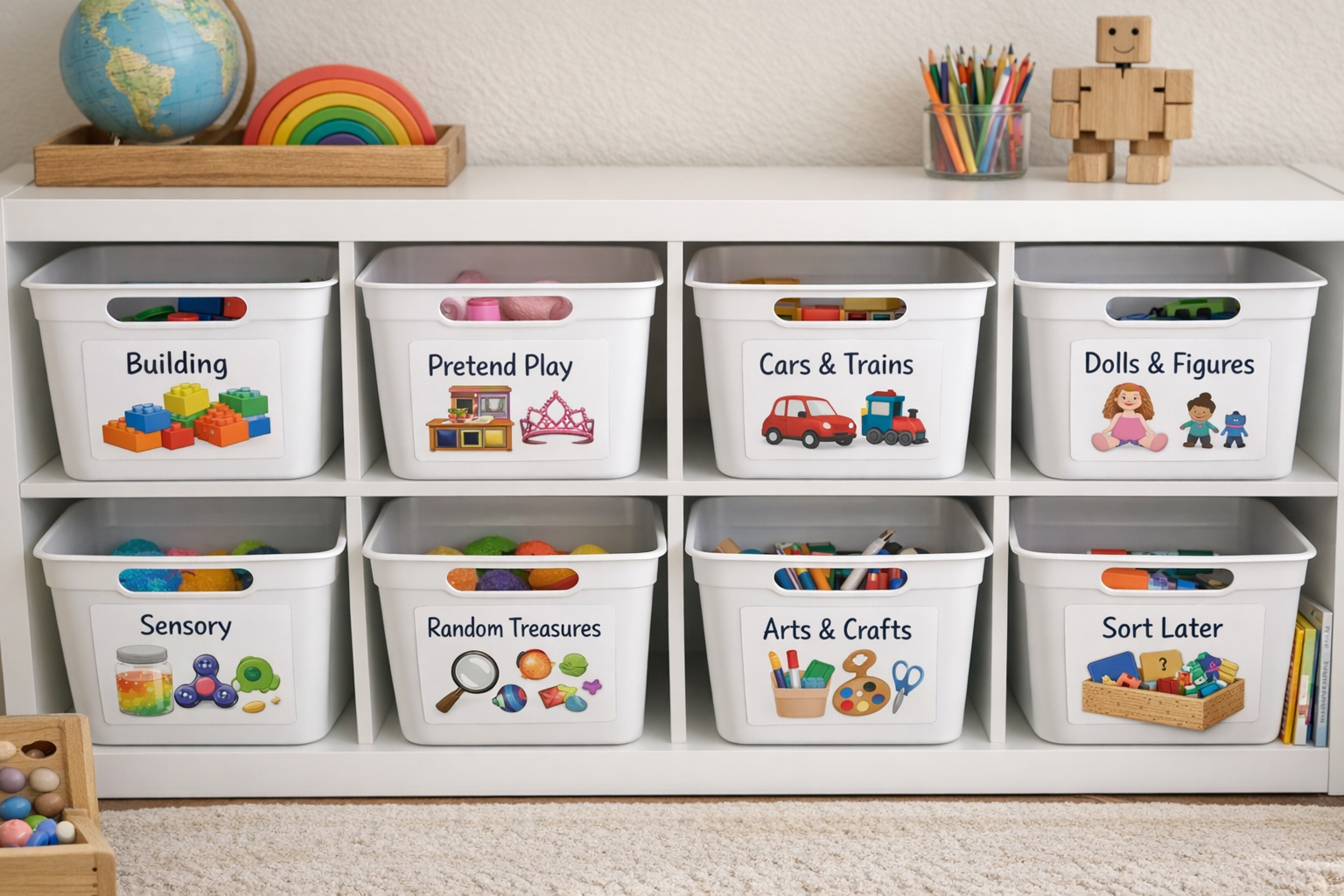
Traditional organizing advice doesn’t always work for neurodivergent families. If you’re navigating ADHD, autism, or executive functioning challenges at home, you need systems that reduce friction—not add to it. These practical, brain-aligned strategies will help you create calmer, more sustainable spaces that support your family’s nervous system.

3 Simple Steps to Organize Any Space (Without Getting Overwhelmed)
If clutter makes you feel stressed, stuck, or behind, you’re not alone. Here are three gentle, practical steps to organize any room and make your home feel calm and functional again.

10 Gentle Strategies for Neurodivergent and Creative Entrepreneurs
The usual business advice doesn’t always work for neurodivergent brains, especially when creativity is part of the job. If you’ve tried time-blocking, strict schedules, or “just be disciplined” and still feel stuck, you’re not alone. This post offers 10 gentle strategies that prioritize nervous system safety, momentum, and realistic structure so you can grow your business with more ease and less overwhelm.

Choosing a Word for the Year: How “Rest” Reshaped Me and Why I’m Stepping Into “Dream”
Every December, before I make plans or write resolutions, I choose a Word of the Year—a guiding intention that shapes how I move through the months ahead. My word for 2026 is Dream, born out of a year where my previous word, Rest, manifested in the most unexpected ways. Burnout forced me to slow down, reassess, and imagine a life I don’t need to recover from. Now, as I step into a new season, I’m inviting possibility, balance, and creative expansion. And I’d love for you to do the same. In this post, I’ll share my journey with choosing a word—and help you choose yours.

25 Winter-Themed Writing Prompts to Spark Your Creativity This Season
Winter has a way of slowing the world just enough for us to hear our own creativity again. The colder months invite reflection, coziness, and a return to the rituals that make us feel grounded—especially our writing practice. If you’ve been struggling to begin, or simply want a gentle nudge to reconnect with your voice, this list of 25 winter-themed writing prompts will help you step back onto the page with warmth and intention. These prompts are crafted to spark imagination, deepen self-expression, and bring a little magic to your writing sessions all season long. Light a candle, pour something warm, and choose the sentence that speaks to you. Let winter inspire you to write bravely and beautifully.
7 Things You Should Know About Writing The First Draft Of Your Book
Writing the first draft of your book is a sacred process of discovery. It will be messy, unpredictable, and at times uncomfortable, but that’s exactly what it’s meant to be. In this post, we break down what you should expect during your first draft—from characters hijacking your plot to the importance of discipline over motivation—so you can write with clarity, confidence, and creative freedom.

Self-publishing? Why You Need to Hire An Editor
As a self-taught, self-published author, I love the creative freedom of doing it all: designing my covers, formatting my pages, and releasing my books through my own imprint. But there’s one thing I’ll never DIY: editing. A good editor doesn’t just fix mistakes; they elevate your writing, ensuring your book feels professional and polished. If you remember one piece of advice from me, let it be this—hire an editor. Quality matters, especially when you’re an indie author building your legacy one book at a time.
SUBSCRIBE