

How to Create an Entryway That Actually Works for ADHD Kids
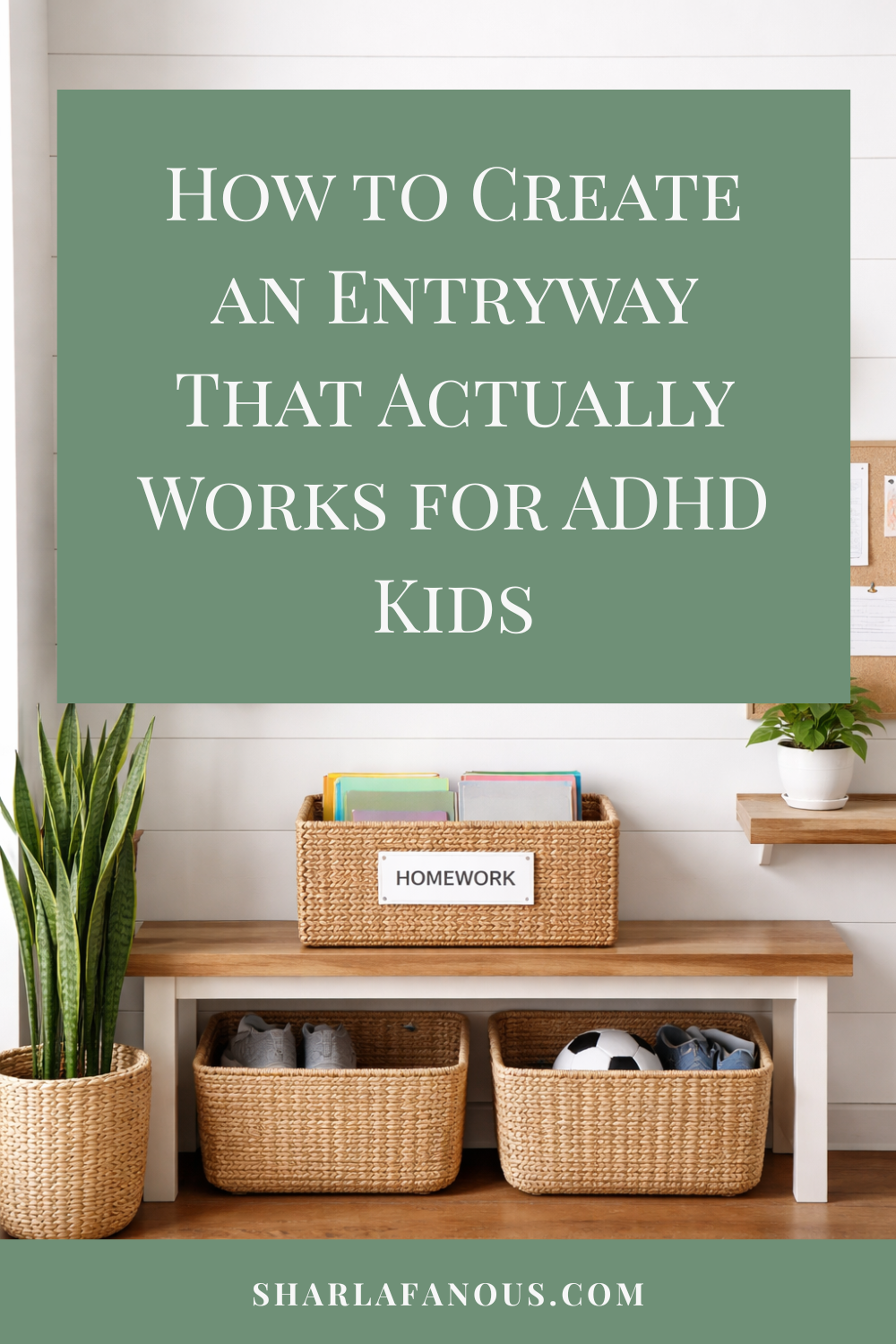
Why Entryways Are So Hard for ADHD Kids
If your mornings feel like a scramble of missing shoes, lost backpacks, and last-minute panic—you’re not alone.
Traditional entryways are designed for tidy habits, not real brains.
For ADHD kids, the entryway is where everything collides:
Transitions (home → school)
Executive functioning (planning, remembering, sequencing)
Sensory input (noise, movement, time pressure)
That’s a lot to handle in one small space.
So when the system fails, it’s not a discipline problem.
It’s a design problem.

The Goal: Reduce Friction
Before we talk bins and hooks, let’s reset the goal.
You don’t need a Pinterest-perfect mudroom.
You need a space that:
Makes the next step obvious
Reduces decisions
Supports your child’s memory (instead of relying on it)
Works even when everyone is tired, rushed, or overwhelmed
Think: “easy to use, even on a hard day.”
1. Give Everything a Visible Home
Out of sight = out of mind.
If your child can’t see it, it might as well not exist.
What this looks like:
Open hooks instead of closets
Baskets instead of drawers
Clear or label-forward storage
Instead of:
❌ Backpack in a closet
✔ Backpack on a hook at eye level
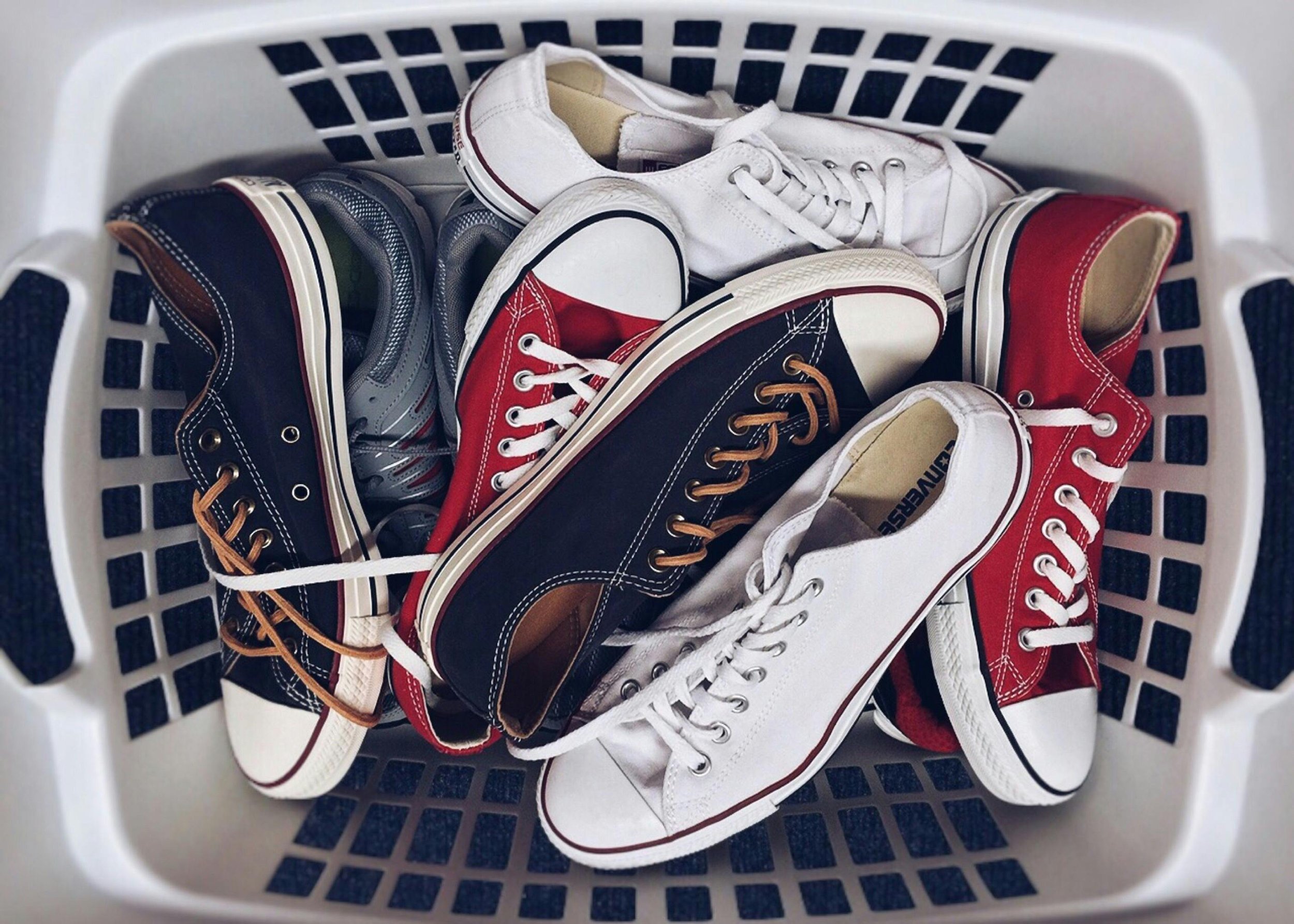
❌ Shoes in a bin with a lid
✔ Shoes in an open tray or shelf
The system should answer the question:
“Where does this go?” without needing to ask.
2. Create One Drop Zone Per Child
Shared spaces create confusion.
ADHD brains do better with clear ownership and boundaries.
Set up:
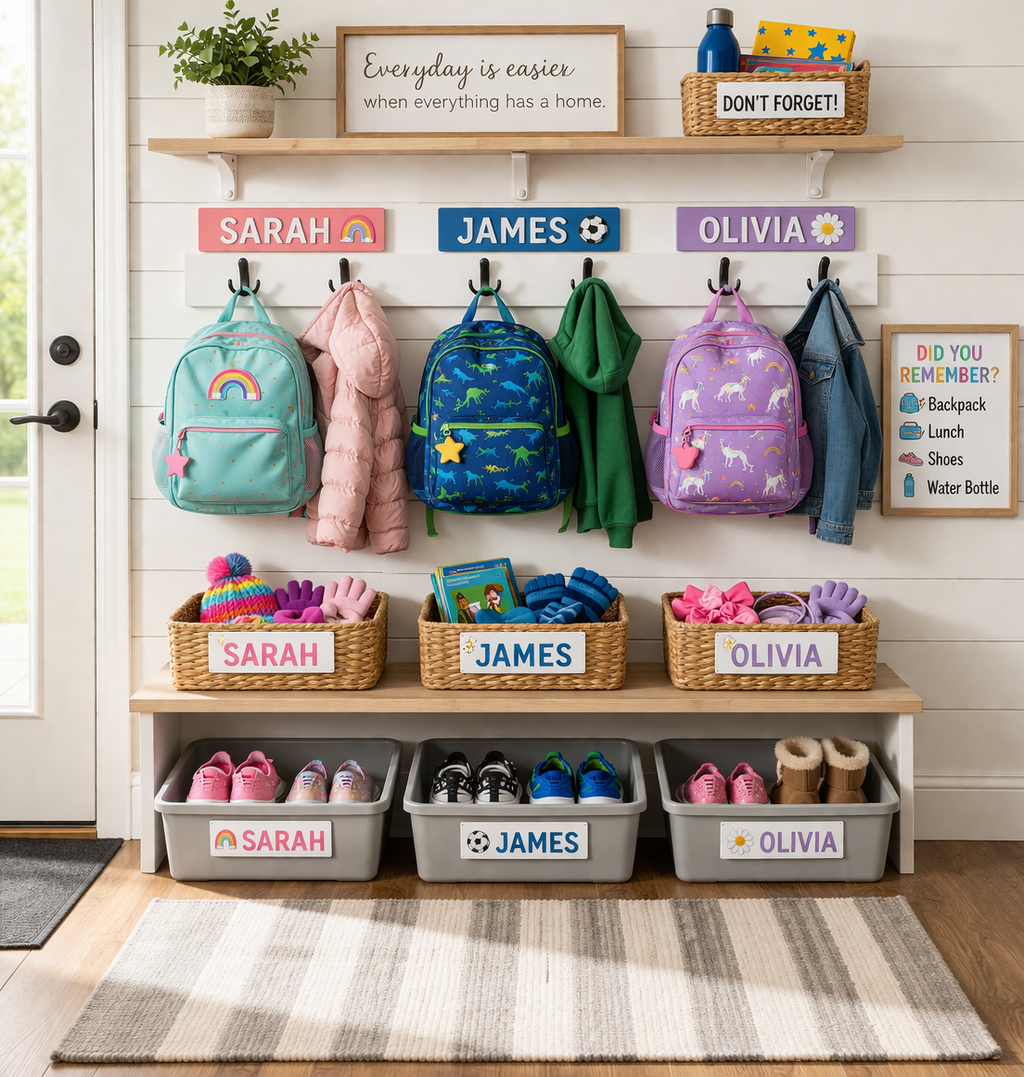
One hook for backpack
One spot for shoes
One small bin or basket for extras (hat, gloves, library book)
Label it with:
Name
Photo (especially helpful for younger kids)
No guessing. No overlap. No “whose is this?”
3. Remove Micro-Decisions
Every extra decision slows things down—and increases overwhelm.
Your entryway should eliminate as many choices as possible.
Reduce decisions by:
Limiting how many shoes are stored there (2–3 max)
Keeping only in-season items visible
Creating a “default” spot for essentials
Example:
Instead of choosing between 6 jackets →
There are 2 options. Done.
Less choice = faster action.
4. Build a “Ready-to-Go” System
Mornings fall apart when things aren’t prepared before the rush.
Your entryway should support future you.
Add:
A small “launch pad” basket for each child
A hook or tray for anything that needs to leave the house
Use it for:
Library books
Permission slips
Sports gear
Anything that cannot be forgotten
This turns:
“Don’t forget this tomorrow.”
into
“It’s already where it needs to be.”
5. Use Visual Cues (Instead of Verbal Reminders)
If you’re constantly saying:
“Grab your lunch.”
“Where are your shoes?”
“Do you have your backpack?”
…it means the system is doing too little work.
Replace reminders with visuals:
A simple checklist by the door
(Backpack, Lunch, Shoes, Water Bottle)Picture icons for younger kids
Labels on bins and hooks
The goal is to replace constant prompting with independence.
6. Make It Sensory-Friendly
Entryways can be overstimulating:
Loud
Busy
Visually cluttered
That overwhelm can shut kids down right when you need them to move.
Simplify the space:
Reduce visual clutter
Use neutral or calming colors
Avoid overcrowding the area
Calm space = calmer transitions.
7. Design for Real Life (Not Ideal Behavior)
This is the most important rule.
If your child drops their backpack on the floor every day…
that’s data.
Don’t fight it—design for it.
Instead of:
“Hang your backpack properly”
Try:
A hook exactly where they drop it
Or a basket where it naturally lands
Good systems don’t require perfect habits.
They work with natural behavior.
A Simple Entryway Setup You Can Copy
If you want to start small, here’s a simple layout:
1 hook per child (eye level)
1 shoe tray per child
1 small basket/bin per child
1 shared “don’t forget” zone
1 visual checklist near the door
That’s it.
You don’t need more. You need clearer.
It’s Not You. It’s the System.
If your mornings feel chaotic, it doesn’t mean:
You’re disorganized
Your child isn’t trying
Or you need to be stricter
It usually means the environment is asking too much from an already overloaded brain.
When you change the space, you change the outcome.
Want Help Creating a Low-Friction Home?
If you’re ready to create systems that actually work for your family (without overwhelm or shame), I offer:
Visit the Digital Shop
Join The Collective waitlist, and get access to all of my digital guides, workshops and more when you become a member.