
Most organizing advice focuses on storage and appearance.
But neurodivergent homes don’t struggle because of clutter alone.
They struggle because of executive load.
Too many decisions.
Too many steps.
Too much visual input.
Too little environmental guidance.
When the environment increases cognitive demand, follow-through decreases.
This guide shows you how to reduce that demand — strategically.
Reduce decision fatigue in high-friction zones
Install predictable landing zones that ease transitions
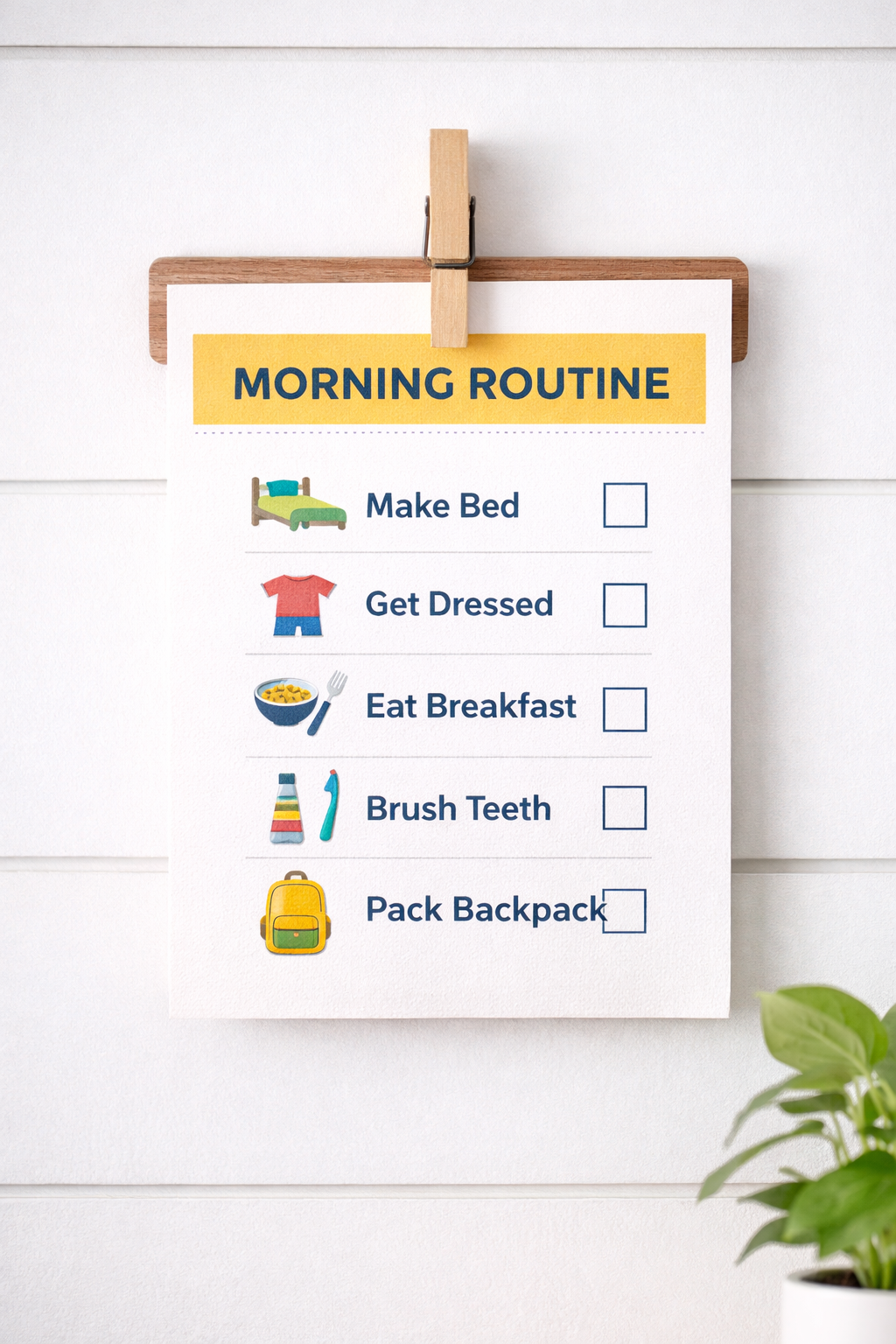
Externalize routines to support working memory
Lower sensory load in overstimulating spaces
Build reset rhythms that prevent burnout
These are not cosmetic changes.
They are structural shifts designed to support executive functioning in ADHD and autistic households.
Inside this free guide, you’ll discover how to:
This guide is for you if:
You’re parenting ADHD, autistic, or sensory-sensitive children
You feel like your home is unintentionally demanding
Cleanup feels overwhelming or inconsistent
Transitions trigger resistance or meltdowns
You want structure — without shame or perfection pressure
If you’re looking for aesthetic organizing tips, this isn’t that.
This is environmental design for real brains.