




SYSTEMS CONSULTING FOR NEURODIVERGENT MINDS
Calm, affirming systems for neurodivergent business owners and families — built around how you think.
A steady point of light to navigate by.
Systems that hold. ✦ Guided by your north star.
WHO I SERVE
One guide, two journeys.
The same steady, affirming approach

FOR BUSINESS OWNERS
Systems, workflows, and operations that reduce overwhelm and create momentum so your business runs without running you down.
FOR FAMILIES
Routines, spaces, and rhythms that bring calm and capability to daily life — built around how your family actually lives, thinks, and rests.
HOW WE WORK TOGETHER
We start where you are.
01
We start where you are
Not where you think you should be. We look at what's working, what's costing you more than it should, and what your brain actually needs without judgment.
02
Build gently
Together we shape systems one steady step at a time — flexible on good days, holding firm on hard ones.
03
Settle in
The system becomes yours — calm, capable, and quietly supporting you long after we finish.

Your brain isn’t the problem, the system is.
KIND WORDS
Steady support, in their own words.
"Sharla changed my Life! I feel less overwhelmed. She has brought structure to my life in ways I would not have been able to get to on my own."
— Leigh R.
Business owner & mom of two
"Unbelievably efficient and organized is what comes to mind when I think about Sharla. She joined our team as Operations Coordinator in a fully virtual environment and immediately set to work making things better, managing multiple business units, ensuring resources for internal and external priorities were delivered on time, every time. It didn't matter how tight the deadline, she always delivered. Our clients, staff, and partners all benefited from the systems she put in place."
— Ira L.
VP of Revenue
"Your focus on honouring creativity and individuality while also building sustainable routines makes this advice feel compassionate and empowering."
— Jerry
Blog Reader
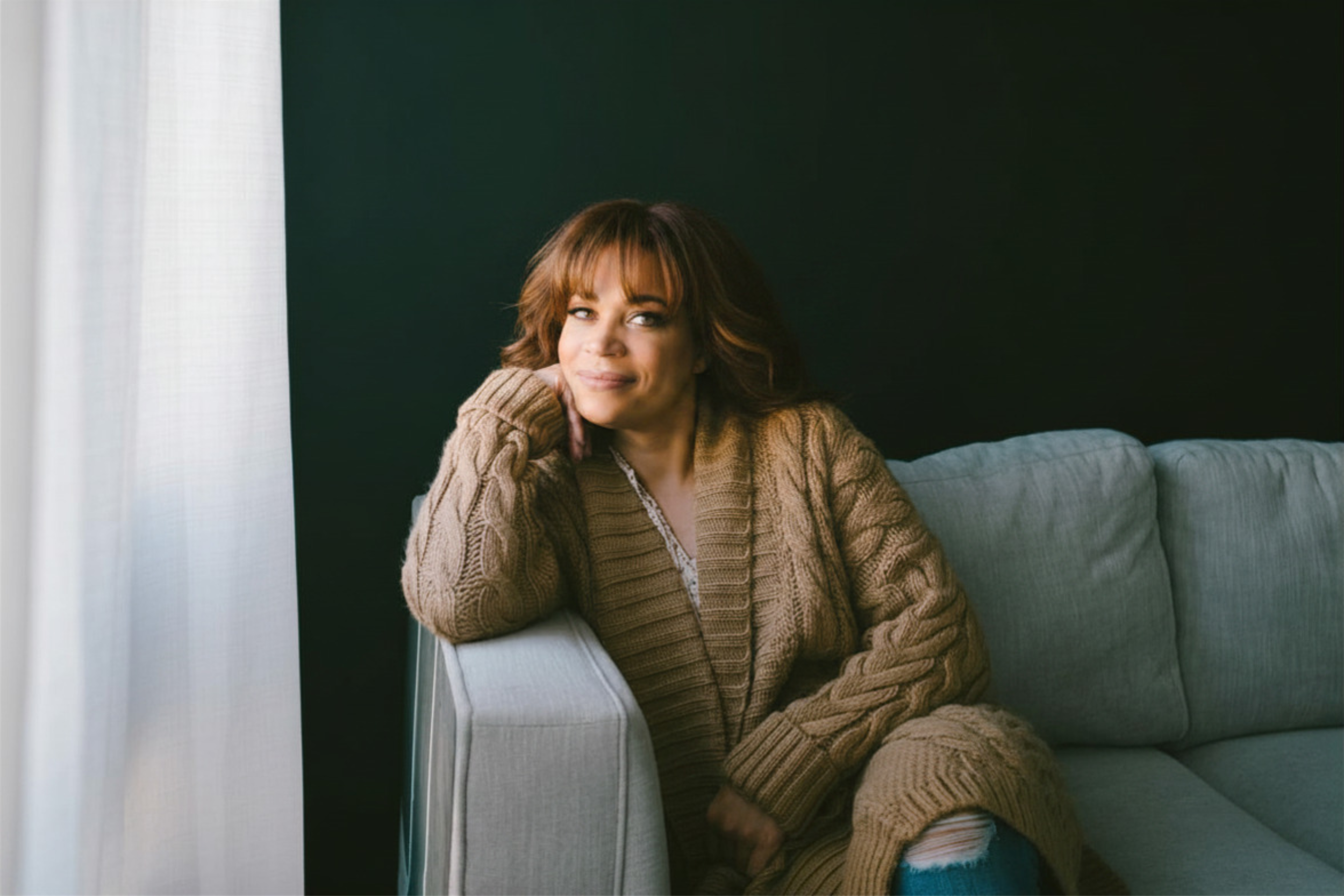
MEET SHARLA
A guide, never a fixer.
I help neurodivergent business owners and families build systems that hold steady — because I know what it's like to need them. My work is warm, affirming, and grounded in how your mind already works.
There's no wrong way to start. We'll find a rhythm that works for you, one steady step at a time.
PRACTICAL TIPS & INSIGHTS


You open your laptop with the best of intentions. Something is off. Your brain won't start. If you're a neurodivergent woman in business, that is not a character flaw. That is a system problem. Here is how to build one that actually holds on the hard days.