

You’re Not Lazy. You’re Burned Out.
If you’ve been feeling foggy, unmotivated, or like you just can’t seem to get it together in your business… you’re not lazy.
You might be burned out. And in a world that constantly tells us to do more, be more, and push harder, burnout can quietly start to feel like failure. Especially if you’re neurodivergent, highly sensitive, or carrying a business on your own.
But let’s begin here:
Burnout isn’t a personal flaw. It’s a signal. A quiet (or not-so-quiet) message from your body and mind that something about the way you’re working… isn’t sustainable.

What Burnout Can Actually Look Like
Burnout isn’t always obvious. It’s not just exhaustion—it’s the slow wearing down of your energy, your clarity, and your capacity to cope.
In your business, it might look like:
Avoiding your inbox or to-do list
Second-guessing even simple decisions
Struggling to complete small tasks
Feeling disconnected from your work or clients
Getting overwhelmed by things that used to feel manageable
If any of this feels familiar, you’re not alone. This isn’t a motivation issue. It’s a nervous system response.
Burnout often happens when we’ve been operating beyond our capacity for too long—especially without the right support or systems in place.
The Myth of Laziness
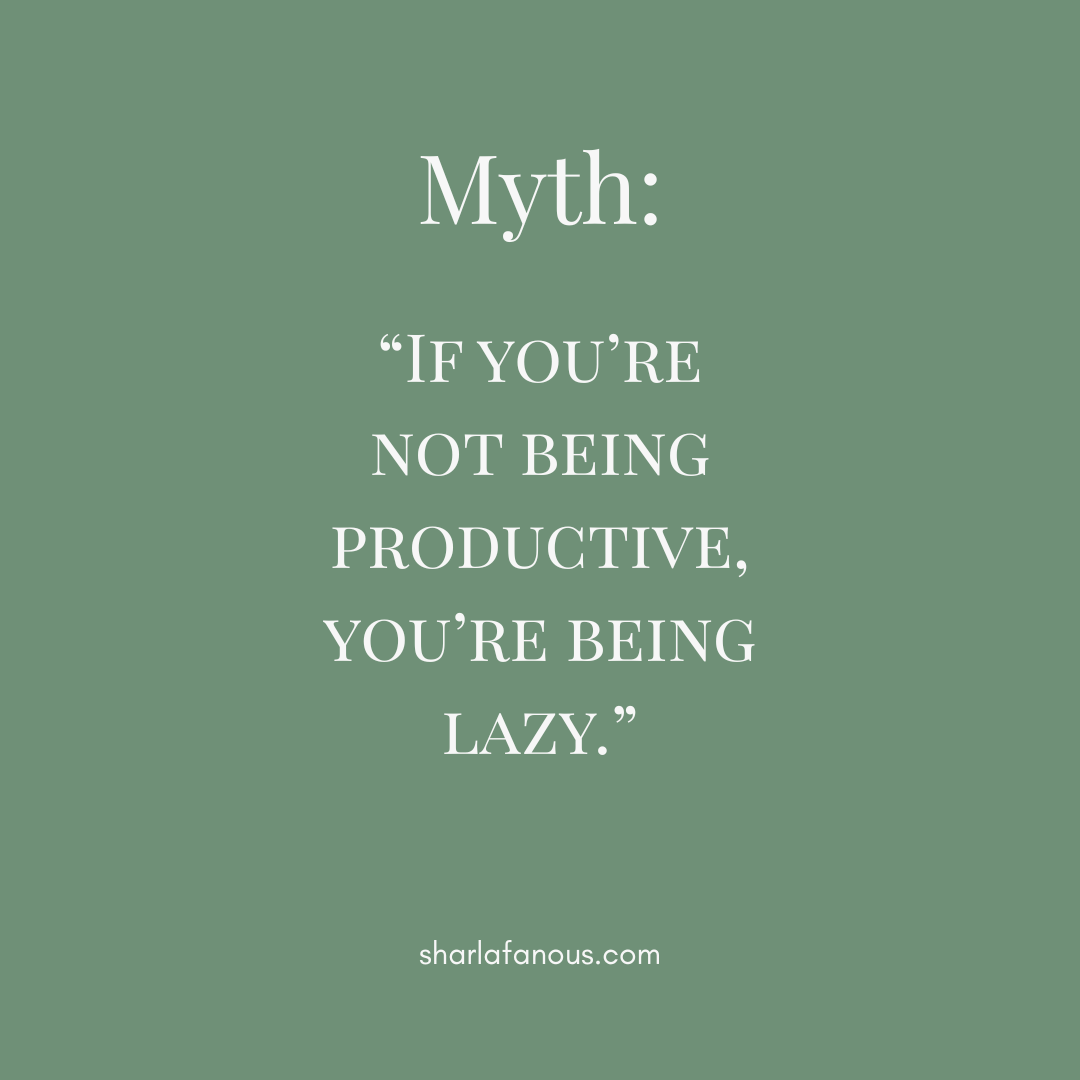
One of the most harmful myths we internalize is that if we’re not being productive, we’re being lazy. However, the truth is that your body might be doing the exact right thing by slowing down. It’s protecting you from going past your limits.
This is especially important to note for neurodivergent entrepreneurs. Many of us grew up masking, overachieving, or pushing ourselves through systems that weren’t designed for our brains. Eventually, our bodies say, “enough.”
If you’ve been beating yourself up for being “lazy” or “not driven enough,” pause. You might be experiencing burnout, and what you really need is a softer path forward.
A More Gentle Approach to Growth
Growth doesn’t have to mean pushing harder. It can mean becoming more supported.
Here’s what that can look like:
1. Start with your capacity
Before your to-do list. Before your schedule.
Ask yourself:
What do I actually have the energy for today? Let your capacity guide your day—not the other way around.
Some days will hold more. Some will hold less. Both are valid.
2. Use Tools That Work With Your Brain
If traditional productivity tools feel overwhelming, it’s okay to let them go.
Try simpler, more supportive approaches:
Top 3 Lists (focus on 3 main tasks per day)
Done Lists (track what you have done, not just what’s left)
Energy Tags (label tasks as low/medium/high energy)
These small changes can significantly reduce cognitive load and make your work feel more doable.
3. Create gentle systems
Burnout often builds in the small, constant decisions we make all day long. Supportive systems can help hold some of that for you.
Think of things like:
simple templates
recurring workflows
a short “what to do when I feel overwhelmed” list
These aren’t rigid structures. They’re supports you can lean on when your energy dips.
4. Let Rest Be Part of the Plan
Rest isn’t something you earn once everything is done. It’s part of what allows you to continue.
That might look like:
closing your laptop earlier than planned
taking a slower day when your energy is low
building more space into your week
Rest isn’t a setback. It’s a strategy for sustainability.

5. Allow support in
You don’t have to carry everything on your own. Support doesn’t have to be big or overwhelming.
It can be:
handing off a few administrative tasks
having someone help you organize your workflow
talking things through with someone who can offer clarity
Even a short conversation can help you see what’s heavier than it needs to be.
Burnout Recovery Isn’t Linear
There isn’t a quick fix.
Burnout softens slowly—through small shifts, more supportive structures, and learning to listen to your own capacity again.
It’s the process of:
unlearning constant pressure
reconnecting with what actually matters to you
building a business that supports you, instead of depleting you
Gentle growth isn’t about doing less for the sake of it. It’s about doing what’s sustainable. What’s supportive.
What allows you to keep going—without losing yourself in the process.
If you’re feeling stretched thin or unsure where to start, you don’t have to figure it out alone.
You can start with a simple conversation.
📩 Book a free 15-minute Clarity Call