

What Hyperfocus Taught Me About Sustainable Living
I completed a six-month course in 12 days.
I revamped an entire website in a single afternoon.
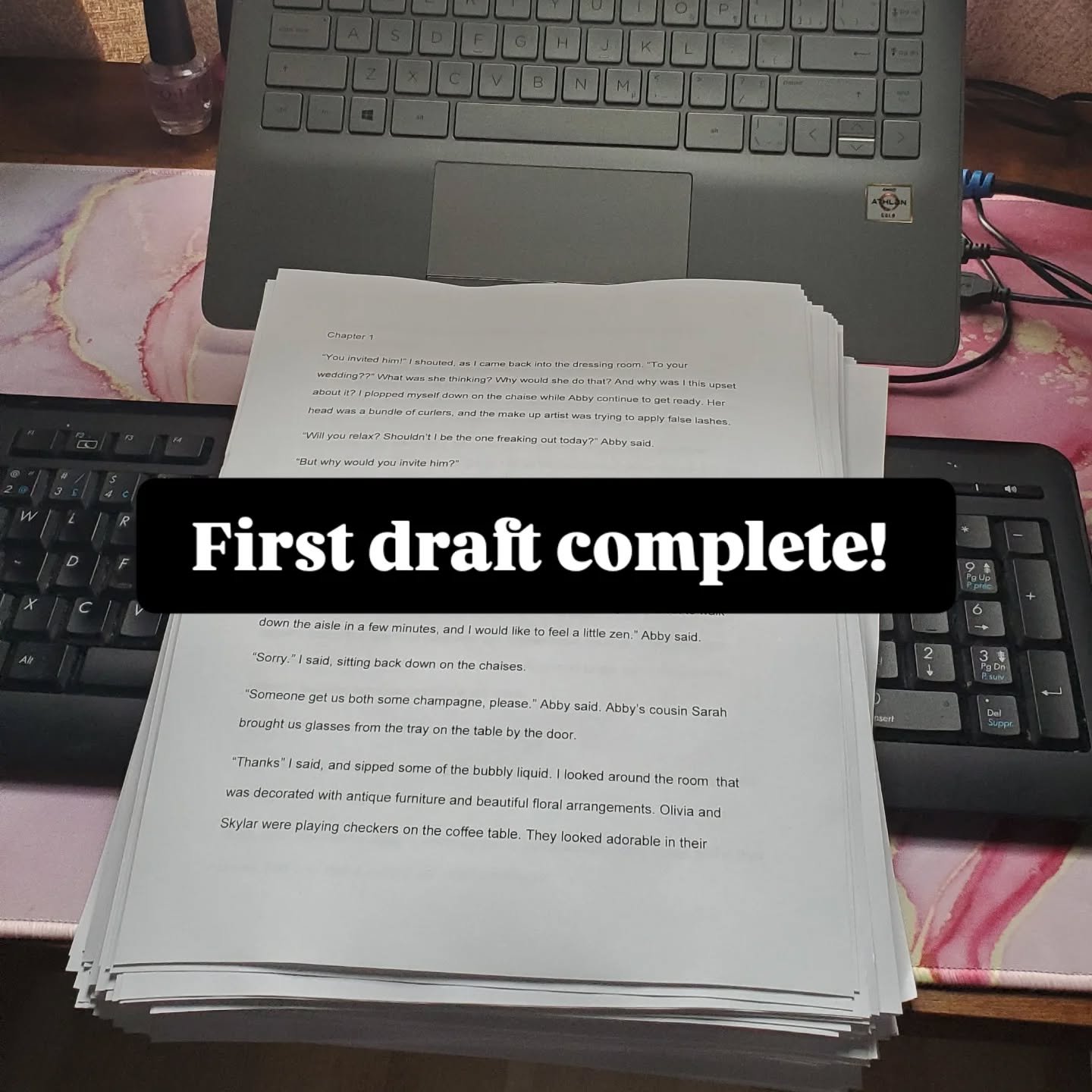
I wrote the first draft of a novel in three weeks.
I redesigned my laundry room in a weekend.
From the outside, that kind of productivity can look impressive. People often see the finished project and assume it's discipline, motivation, or exceptional time management.
But if you live with a neurodivergent brain, you may recognize what's happening behind the scenes.
Many of my biggest accomplishments have happened during periods of intense hyperfocus. In those moments, I become completely immersed in what I'm creating. Hours pass unnoticed. Meals get skipped. Water sits untouched beside me. My body starts whispering for rest long before I'm willing to listen.
For years, I thought this was how I worked. What I didn't understand was that every sprint carried a cost. Eventually, the energy runs out, the creative momentum disappears, and my body slows me down whether I want it to or not. And what follows isn't ordinary tiredness. It's often a complete physical and mental shutdown that can take days—or sometimes weeks—to recover from.
For a long time, I tried to teach myself how to operate at a steady, predictable pace. I wanted consistency, balance, and to function the way everyone else seemed to.
And life became much easier when I stopped trying to force myself into a rhythm that wasn't mine.
Now, when a large project calls to me, I pay attention to that familiar surge of energy. It feels like excitement, curiosity, and urgency all at once. When it arrives, I lean into it. But I've also learned to watch for the signs that the wave is ending: the heaviness, the brain fog, the fractured attention, and the growing sense that everything suddenly feels harder. When those signals appear, I don't push through anymore. I rest. Not because I've earned it or because everything is finished. But, because my body needs it. And that's where systems become essential.
One of the greatest misconceptions about productivity is that success comes from discipline alone.
In my experience, sustainable success comes from creating environments that continue to support you when your energy disappears.
At home, that looks like:
Recurring appointments and reminders that live in my calendar instead of my brain.
Predictable meal plans that reduce daily decision-making.
Simple reset rhythms that keep the house functional without requiring perfection.
Giving myself permission to focus only on what truly matters when capacity is low.
Setting timers for my hyper-focus time, so I can get other necessary things done.
At work, it looks like:
Scheduling focus-heavy work during the hours my brain naturally performs best.
Keeping information in trusted systems instead of relying on memory.
Prioritizing a handful of meaningful tasks rather than chasing endless to-do lists.
Building breaks, recovery time, and realistic expectations into my schedule.
The older I get, the more I realize that what I once saw as weaknesses are often the very things that make me good at what I do. My brain notices friction. It spots inefficiencies. It senses when environments are demanding more from people than they can reasonably give. And because I've spent years creating systems to support myself, I've become passionate about helping others create systems that support them, too.
I still have days when I wish my energy arrived in a more predictable pattern. But I'm learning that the goal isn't becoming someone else. The goal is to understand the brain and body you have and build a life that works with it. Because when we stop fighting ourselves and start designing for ourselves, everything becomes a little more sustainable, a little more compassionate, and a lot less exhausting.
I'm curious: What is one routine, system, or support that helps carry you through periods when your energy is low?