



Low-Friction Living
Systems, stories, and honest reflections for neurodivergent women & households. Written from the inside out.



The Cost of Masking: ADHD & Autism in the Workplace
Masking doesn't show up on a performance review. There's no line item for the energy spent managing how you appear instead of what you're actually saying. For late-diagnosed autistic and ADHD women in business, that hidden cost only grows with seniority. Here's what it actually takes, why diagnosis can make the mask harder to hold rather than easier to drop, and how to start building systems that carry some of that weight for you.

When the Old Rules Stop Working
In my 40s, everything I thought I knew about fitness and work stopped working. The harder I pushed, the worse I felt. Here's what I learned when I finally stopped fighting and started adapting.
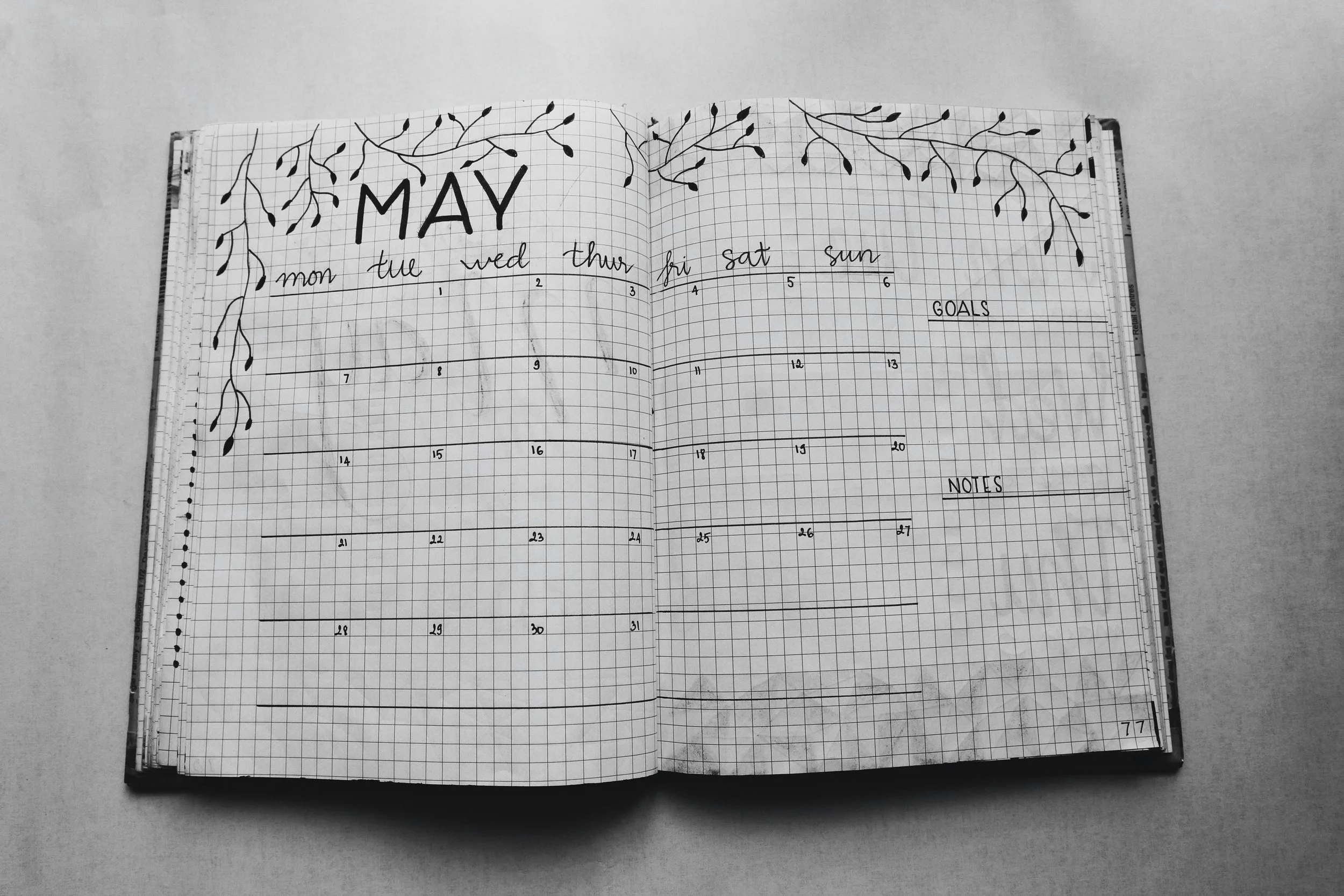
Why I Need Both Systems and Creativity to Thrive
People often assume that systems and creativity exist on opposite ends of the spectrum. One is structured and logical; the other is free-flowing and artistic. But I've discovered that the opposite is true. The right systems don't limit creativity—they protect it. In this post, I explore how structure creates the space for writing, photography, and creative expression, and why I've learned to embrace both.
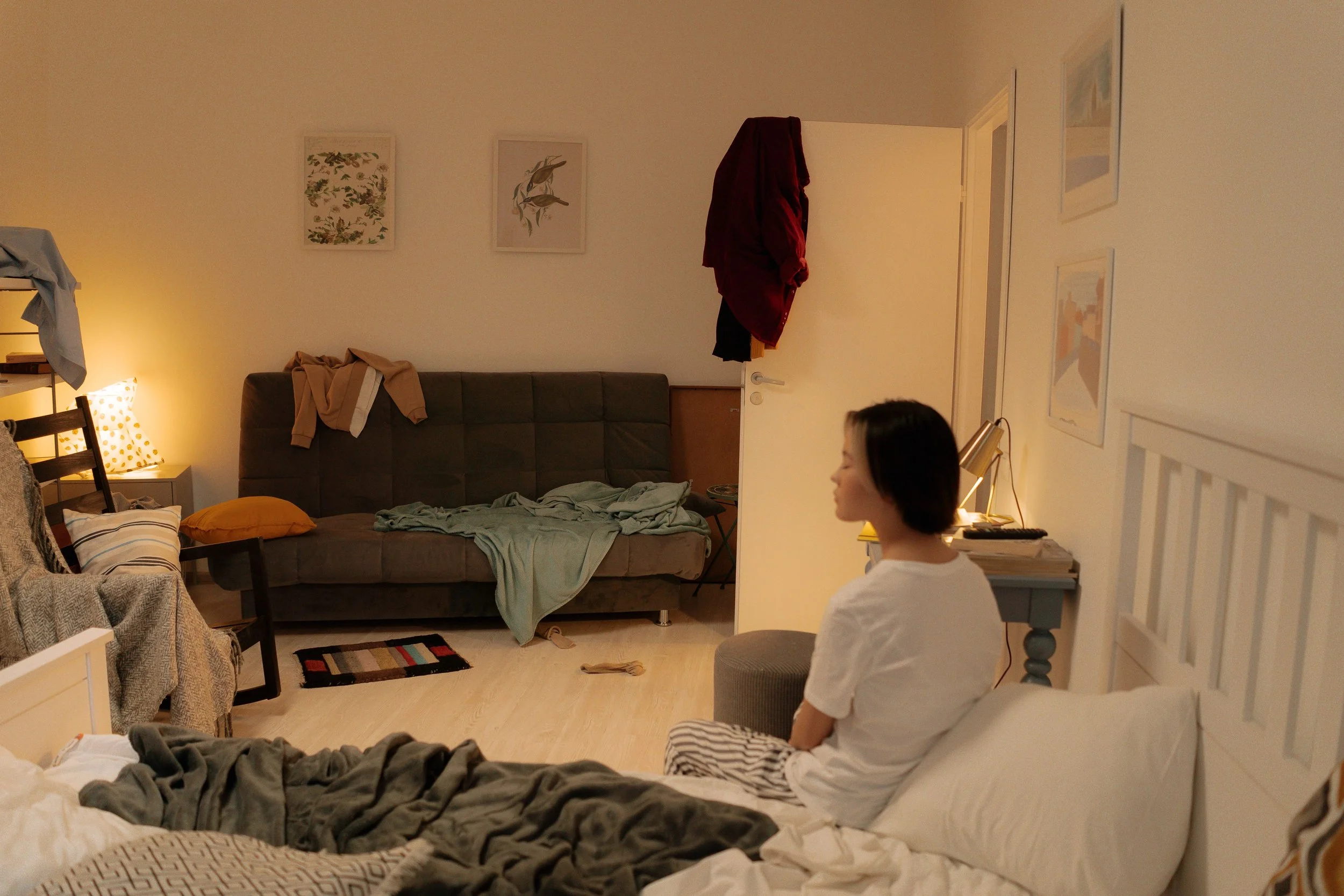
The Hidden Cost of Visual Clutter on ADHD and Autistic Brains
If your home feels overwhelming, the problem may not be a lack of organization. For ADHD and autistic individuals, visual clutter creates cognitive load, sensory stress, and decision fatigue. Here's why it happens and what you can do about it.
What Hyperfocus Taught Me About Sustainable Living
I used to think productivity meant pushing harder. Completing a six-month course in 12 days or writing a novel in three weeks felt like success—until the inevitable crash arrived. As an autistic entrepreneur, I've learned that sustainable living isn't about forcing consistency. It's about understanding your energy cycles, working with your brain instead of against it, and building supportive systems that keep life moving even when your capacity is low. Here's what hyperfocus taught me about creating a life that feels both productive and sustainable.

You’re Not Lazy. You’re Burned Out.
If you’ve been feeling foggy, unmotivated, or like you just can’t keep up in your business, you’re not lazy—you might be burned out. This post explores what burnout can really look like (especially for neurodivergent entrepreneurs) and offers a gentler, more sustainable way to approach your work.

Why Traditional Organizing Advice Fails ADHD & Autism Families
Many organizing systems fail ADHD and autism families because they rely on consistent executive function, hidden storage, and rigid routines. Here’s why traditional advice doesn’t work — and what does.
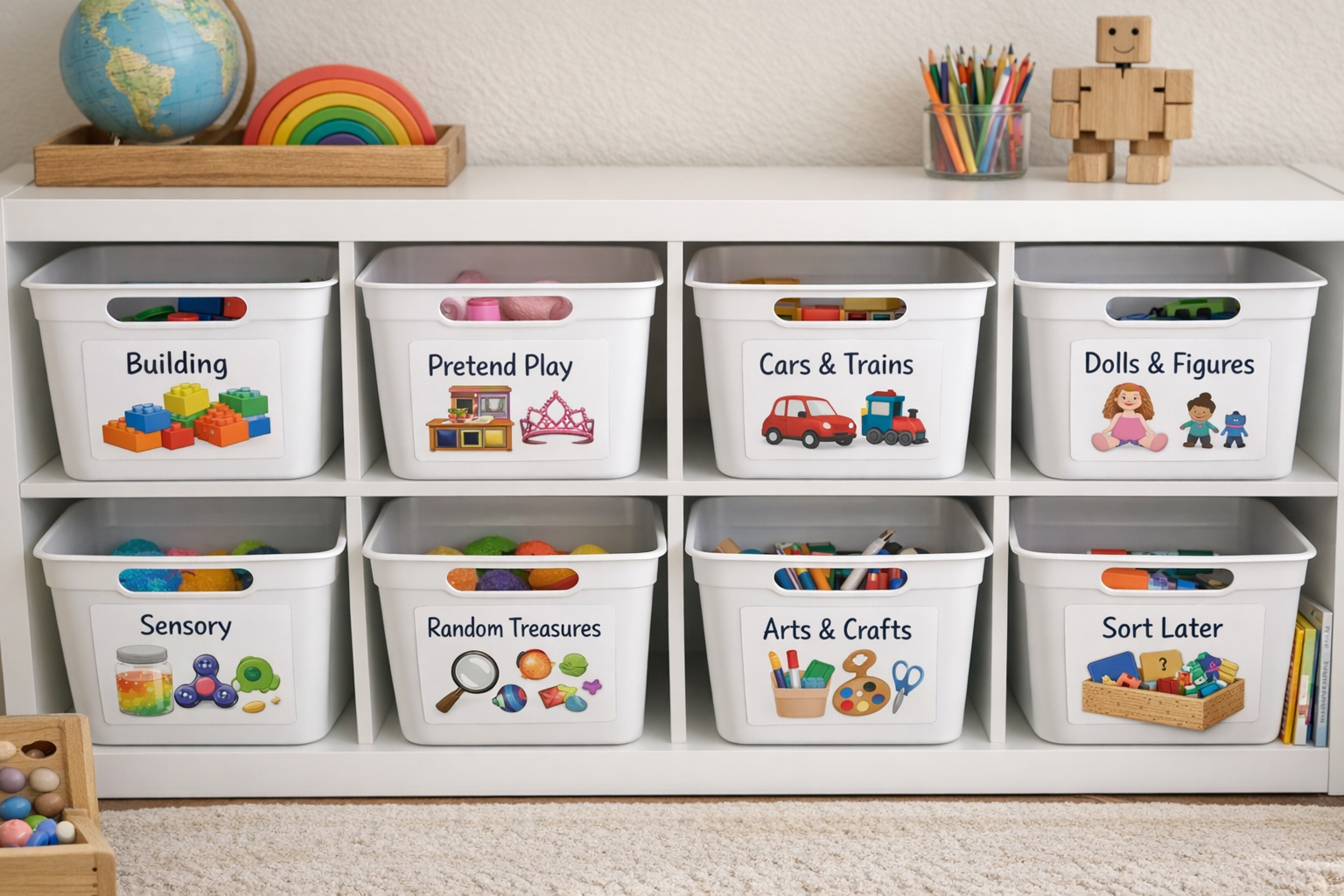
Effective Organizing Strategies for Neurodivergent Families
Traditional organizing advice doesn’t always work for neurodivergent families. If you’re navigating ADHD, autism, or executive functioning challenges at home, you need systems that reduce friction—not add to it. These practical, brain-aligned strategies will help you create calmer, more sustainable spaces that support your family’s nervous system.

10 Gentle Strategies for Neurodivergent and Creative Entrepreneurs
The usual business advice doesn’t always work for neurodivergent brains, especially when creativity is part of the job. If you’ve tried time-blocking, strict schedules, or “just be disciplined” and still feel stuck, you’re not alone. This post offers 10 gentle strategies that prioritize nervous system safety, momentum, and realistic structure so you can grow your business with more ease and less overwhelm.

Unmasking Myself: A Midlife Autism Journey Through Burnout and Self-Discovery
For over 40 years, I thought I was just “bad at coping.” I thought I was too sensitive, too tired, too scattered, constantly trying to keep up in a world that never seemed to match the way my brain worked.
SUBSCRIBE