

10 Gentle Strategies for Neurodivergent and Creative Entrepreneurs

If the thought of "building a system" makes your shoulders tense up, you're not alone. Most productivity advice assumes your brain works like a machine: consistent, predictable, always optimized for output. But what if your brain is more like a tide: rhythmic, intuitive, sensitive to the moon?
I believe systems should feel like support, not pressure. They should meet you where you are, not drag you into burnout.
Here are 10 ways to build systems that actually work with your brain:
1. Replace Time-blocking with Energy Mapping
Forget colour-coded calendars for a second. Ask instead:
When do I feel most focused?
When do I need rest?
When do I do my best creative thinking?
Plan your work around your energy, not the clock.
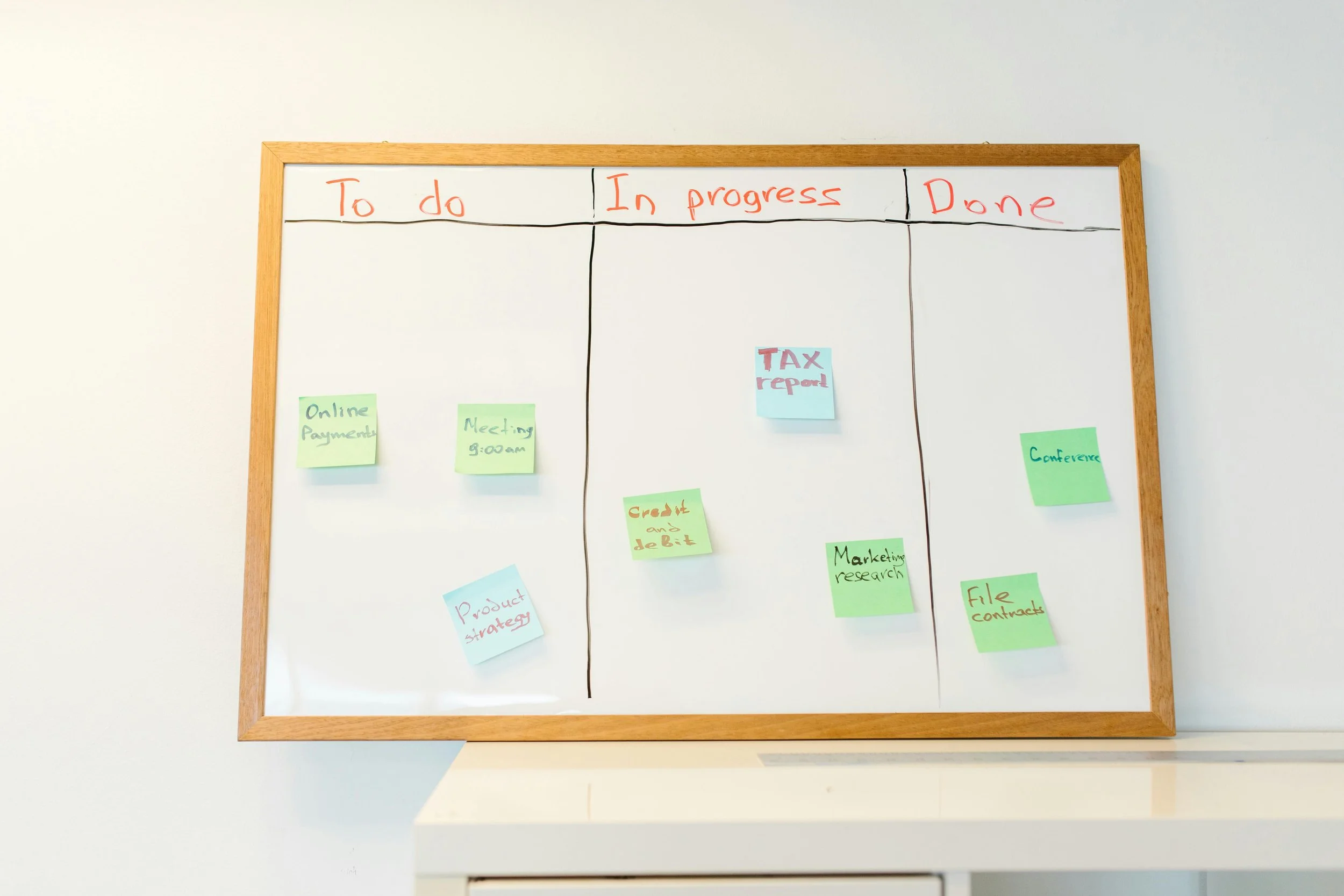
2. Let Visual Cues Do the Heavy Lifting
Sticky notes, whiteboards, colour-coding, visual project boards…these aren’t just aesthetic. They externalize your memory, freeing up brain space and reducing overwhelm.
If it helps you see your next step, it belongs in your system.
3. Design for Forgetfulness
Build in compassionate fail-safes:
Use reminders with context (not just “follow up” but “follow up with Sam re: podcast edit”)
Keep recurring tasks on autopilot
Create checklists for anything you forget twice
Your system should be your brain's best friend, not a guilt trip.
4. Build Bridges Between Tasks
If you struggle with transitioning between tasks, add rituals and buffer time:
A cup of tea before admin work
A 5-minute playlist to reset your focus
A short walk between deep work and meetings
You’re not a machine. You’re a person moving through shifting mental states.

5. Break Everything Into Micro-Steps
“Write newsletter” is not a task—it’s a project.
Break things down until your brain says, “Oh, I can do that.”
Open a blank doc
Write a rough subject line
Copy/paste a recent post
Set timer for 10 minutes
Micro-steps lower resistance and build momentum.
6. Use Containers
Replace rigid schedules with containers:
A 2-hour window for creative work (not a strict start time)
A “CEO Hour” every Friday (even if it moves around)
A general weekly rhythm, not a down-to-the-minute calendar
Structure should feel like scaffolding, not shackles.
7. Automate the Draining Stuff
Use tools that reduce repetitive tasks and decision fatigue:
Email templates
Task management with recurring items
Scheduling tools
Auto-payments and filing systems
Automate the unimportant so you can focus on what matters.
8. Build a Soft Reset Ritual
When everything falls apart (because sometimes it will), have a gentle ritual to reset:
Review your top 3 priorities
Brain-dump everything in your head
Clear your physical or digital workspace
Take one small next step
Systems aren’t about staying “on track” 100% of the time, but about finding your way back.
9. Honour Your Sensory and Emotional Needs
Consider the feel of your systems:
Does your workspace soothe or stress you?
Do your tools overstimulate or oversimplify?
Can you build in sensory breaks or comforting rituals?
When you design for your nervous system, you stay regulated, and that’s the real productivity booster.

10. Review & Iterate With Self-Compassion
No system is ever “done.” Give yourself regular space to reflect:
What’s working?
What’s feeling heavy?
What small shift would help?
Your systems should evolve with you.
Systems aren’t one-size-fits-all, especially not for neurodivergent minds that crave meaning, spaciousness, and adaptability. The right systems don’t pressure you to be someone else. They help you be more you with less friction.
✨ Need help creating a system that fits your unique brain? Let’s work together. Book a free Clarity Call.
With warmth,
Sharla