

Why I Need Both Systems and Creativity to Thrive
People are often surprised when they learn that I love both business operations and creative writing.
On one side of my website, you'll find services related to systems, workflows, organization, and reducing friction in daily life. On the other side, you'll find poetry, memoir, photography, and stories. At first glance, those things might seem unrelated. Some people assume that systems are rigid and logical, while creativity is spontaneous and free-flowing. But for me, they have never been opposites.
They are partners.
In fact, I've come to realize that I need both systems and creativity to thrive.
The Myth That Creative People Are Naturally Disorganized
There is a persistent stereotype that creative people are messy, chaotic, and incapable of structure. You know the image: the writer surrounded by stacks of papers, the artist working in complete disorder, the creative soul who can't remember appointments or pay bills on time. While some creative people certainly work that way, I've learned that chaos isn't a requirement for creativity. In fact, too much chaos can suffocate it.
When my environment feels overwhelming, my brain shifts into survival mode. Instead of imagining, exploring, and creating, I'm spending my energy trying to remember what I've forgotten, locate missing information, or manage unfinished tasks. The mental load becomes so heavy that there is very little space left for creativity. Creativity requires energy. And chaos consumes it.
Systems Create Space
For years, I thought systems existed to make people more productive. Now I see them differently. The best systems don't exist to squeeze more output from us. They exist to reduce unnecessary friction.
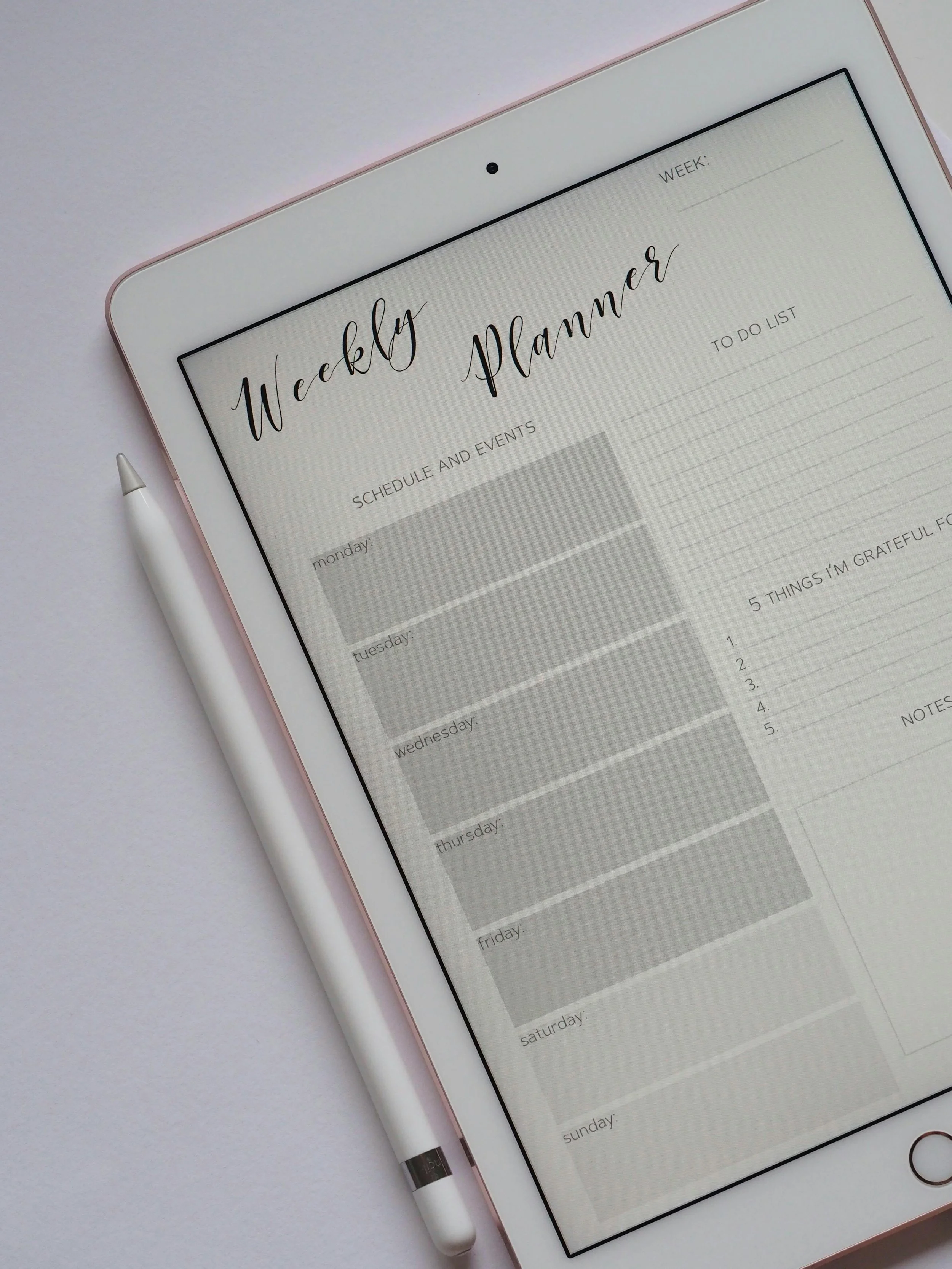
A calendar isn't just a scheduling tool, but a way to stop carrying every commitment in your head.
A filing system isn't about perfection, but knowing where to find what you need when you need it.
A routine isn't a cage, but a gentle framework that helps important things happen consistently.
Every decision that a system can hold for me is one less decision my brain has to carry. And when my brain isn't busy managing dozens of loose ends, it can return to what it does best: making connections, imagining possibilities, and creating.

Creativity Gives Life Meaning
The funny thing is that I don't actually build systems because I love systems. I build systems because I love what they make possible.
I love writing poems that help someone feel less alone.
I love getting lost in a story.
I love turning difficult experiences into something meaningful through words.
Creativity is where I process life. It's where I make sense of the world. Without it, I become all structure and no soul. I know this because I've lived it. There have been seasons where I was so focused on productivity, responsibilities, and checking boxes that I barely created anything at all. From the outside, I looked successful and organized. On the inside, I felt disconnected from myself. The work was getting done, but I wasn't being nourished.
The Balance Took Me Years to Understand
For a long time, I swung between extremes. I would become consumed by a creative project and spend every available moment writing, designing, researching, or creating. Then I would emerge to discover that I had ignored the practical realities of life for weeks.
Other times, I would become hyper-focused on productivity and organization. My calendars were colour-coded. My task lists were immaculate. Everything looked efficient. But I wasn't creating.
Neither extreme worked. One left me overwhelmed, and the other left me empty. The sweet spot lives somewhere in the middle.
I've learned that creativity needs structure, and structure needs creativity. One provides stability, while the other provides meaning.
A Neurodivergent Perspective
As someone who discovered my autism later in life and who also experiences the intensity of hyperfocus, this balance has become even more important. When I become interested in something, I can disappear into it for hours. Sometimes that is a gift. It's how I've written books, completed large projects, and learned new skills quickly. But without systems to support me, hyperfocus can also lead to burnout.
I've learned that I can't rely solely on motivation or inspiration. I need reminders. I need routines. I need visual cues and external structures that help me care for myself while pursuing the things I love. The systems aren't there to restrict my creativity, but to protect it.
Let Creativity and Structure Work Together
If you've ever felt torn between being a creative person and an organized person, I want you to know that you don't have to choose. You can be both. You can love spreadsheets and poetry. You can enjoy project plans and photography. You can build systems and still leave room for wonder. In fact, you may discover, as I did, that one strengthens the other.
These days, I no longer see systems and creativity as separate parts of my life. They're simply two ways I make sense of the world. One helps me create order from chaos, and the other helps me create meaning from experience.
And together, they help me build a life that feels both functional and deeply alive.